Here’s about Afghan Women Turn to Business as Taliban Bans Disrupt Life Choices
When the Taliban banned secondary education for girls in 2021, a teacher named Maryam had to choose. She couldn’t teach. She couldn’t stay unemployed.
So she started a clothing business from home.
Her story is now 250,000 stories. That’s the estimated number of Afghan women running informal businesses — up from nearly nothing four years ago.
The Problem Got Worse
Female labor force participation was already low at 19% before 2021. Now it’s 5.1%. Women can’t work in government. NGOs are off limits. UN agencies won’t hire them.
That leaves one option: run a business from home.
What They’re Actually Doing
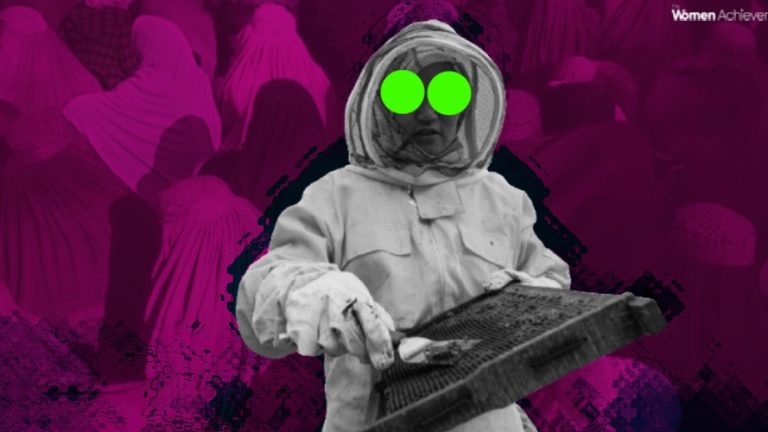
Carpet weaving. Soap making. Handicrafts. Cooking. Beekeeping. Embroidery. None of it glamorous. All of it necessary.
Most of these women aren’t entrepreneurs by choice. They’re entrepreneurs because everything else got shut down.
The Real Constraints
A woman named Amina ran a tailoring business before. She moved to a women-only market. Then home. Each time, local authorities intervened — even though most things aren’t formally banned.
Seventy-three percent of women surveyed can’t travel to buy supplies or sell goods without a male escort. That simple thing becomes an negotiation with Taliban rules.
Access to credit is almost impossible. Only 5% got loans from banks or microfinance institutions.
Why It Still Matters
Women running these businesses make 100% more income than they did before. That money feeds families. That money lets women work.
Work gives back something else too — a sense of purpose when so much has been taken away.
Conclusion:
Afghan women aren’t building startups. They’re building survival. Business is the only space left where they can still exist with some agency.