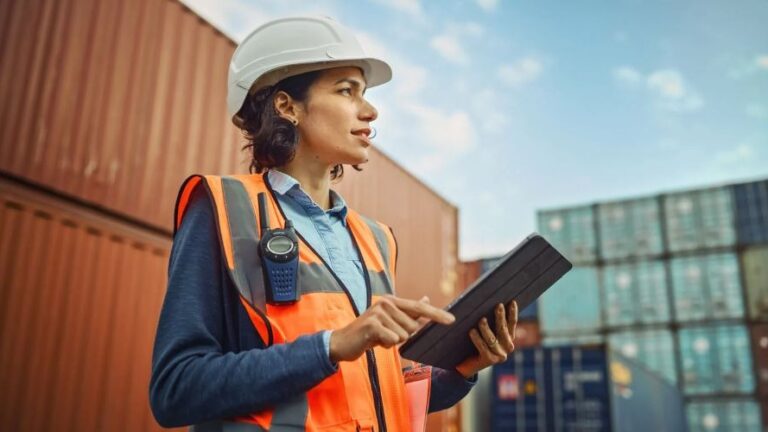
Women are transforming the global supply chain industry through better decision-making, teamwork, innovation, and sustainable practices. Their leadership helps businesses improve efficiency, manage risks, reduce waste, and build stronger supplier relationships.
In recent times, women have been changing how companies manage supply chains. They bring new ideas, turn them into realities, and solve problems to mainstream the working process. Their work helps businesses move goods on time, cut waste, and build better relationships with suppliers.
If you are a bit confused about how supply chains work, supply chains connect farms, factories, and warehouses to customers. The best part is women have been driving the growth of the sector rapidly. They plan deliveries, manage suppliers, check stock, improve safety, and lead teams.
Better Decisions and Teamwork
When it comes to women leaders, they bring a team-first approach to the table. They listen to problems, analyze everything properly, and then find a solution to the issues. These skills matter when a delay, shortage, or transport problem affects many people.
Apart from that, women help companies spot risks earlier before they hamper the working process. They notice every single problem that affects workers, local communities, or suppliers. This can help a company fix issues before they become bigger disruptions.
The next thing that makes them the best in the sector involves their communication skills. A supply chain depends on many people, and everyone has to do their part of the job at the right time. Women leaders often explain what is needed, share updates quickly, and keep teams focused on shared goals.
Leading Change and Sustainability
Many women leaders want supply chains to be cleaner and fairer. They look beyond cost and speed. They ask where materials come from, how workers are treated, and how much pollution a product creates.
This matters as companies face pressure to reduce emissions and protect the environment. Women leaders can connect green goals with daily work. They may improve transport routes, reduce packaging, and choose suppliers who follow fair practices.
Diverse leadership can also improve business results. Research cited by Deloitte found that inclusive organizations are twice as likely to meet or beat financial targets. The same research found they are six times more likely to innovate and eight times more likely to improve business outcomes.
Women bring different life experiences to the table. This helps teams notice problems that others may miss. A wider range of views can lead to better products, stronger supplier relationships, and smarter plans.
Barriers Still Remain
The growth is undeniable, but challenges are still there. A lot of companies now have women leaders in the entry to mid-level positions. However, the number suddenly falls when it comes to senior roles. There men still have their hold. This means talented women often do not get the same chance to lead.
The next problem that women often face is unfair treatment at the workplace. Gender bias still exists in some of the highly renowned companies. To date, women complain about having better skills, but their male colleagues get the promotions.
Companies cannot solve these problems with good intentions alone. They must have a clear plan. They have to offer fair opportunities, pay, and training to pave the way for women employees to reach senior roles.
Finally, one of the most important things is mentoring. A senior leader can help a younger woman build confidence, learn new skills, and find opportunities. Sponsorship goes further. It means a leader actively supports a person for a promotion or major project.
Conclusion
Women are growing and this fact is undeniable. They have been changing global supply chain with their ideas, skills and leadership. They not only lead a team, they also help them solve problems, support workers and identify issues before they hit the teammates.
There is still work to do. Women need more access to senior roles, fair treatment, and support to grow. When companies remove these barriers, everyone benefits. A supply chain built on equal opportunity is not only fair. It is also smarter, stronger, and ready for the future.